A story smoothed by thousands of years of survival is what !Khwa ttu is all about.
It all began when Swiss anthropologist Irene Staehelin bought an 850-hectare wheat farm on the West Coast. She later set up the Ubuntu Foundation in Switzerland to help with guidance and support. In 2006, !Khwa ttu opened to the public and during the next decade it steadily developed its tourism offering and San development capabilities. Outside, the land was carefully rehabilitated and wildlife reintroduced.
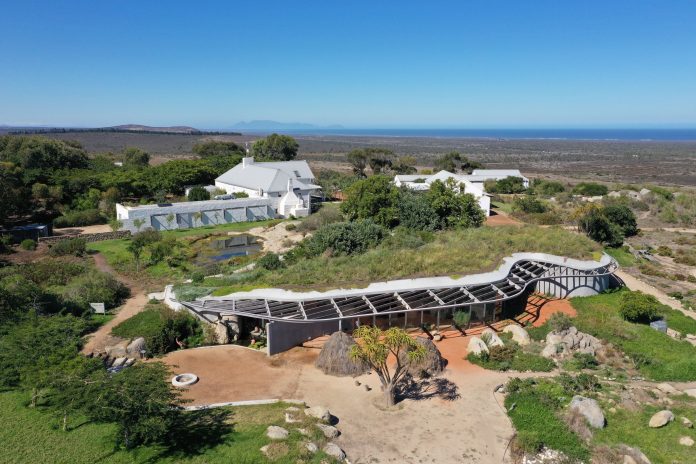
The San Heritage Centre lies at the heart of !Khwa ttu. Three strikingly designed buildings guide visitors through the astonishing arc of San history—from human origins to contemporary identity—with intelligence, restraint and an absence of tourist tat.
Meet First People. In two intimate rooms, San creation stories stand shoulder to shoulder with archaeological and genetic research tracing the origins of humankind itself. Ancient rock art flickers harmoniously beside scientific findings.
Then comes Encounters, housed in a colonial farm building whose thick walls seem to hold the heat of history itself. Here the narrative darkens. Colonisation arrives in all its familiar brutality: dispossession, erasure, the grinding machinery of empire. But the exhibition avoids self-righteous theatre. Contemporary community displays bring the San story into the present tense, reminding visitors that these aren’t relics from anthropology textbooks but living communities still navigating the aftershocks of history.
And then, perhaps the emotional centrepiece: Way of the San. This immersive experience draws visitors into the rhythms of Kalahari life through the eyes of San guides. It’s here that !Khwa ttu truly distinguishes itself from the usual museum shuffle-and-squint routine. The guides are people from diverse San communities, each carrying their own language, humour and memory.
One guide might show you medicinal plants hidden in the veld. Another may explain tracking, reading the earth with the precision of a detective and the patience of a monk.
!Khwa ttu cleverly describes the tours as “Tapas Tours”. The comparison fits because one tour is never enough. There’s tea tasting using indigenous plants, food trails exploring ancestral diets, tracking excursions, game drives and engaging cultural tours focused on spirit, hunting and gathering. Each experience is immersive without becoming theatrical.
Particularly memorable is the tracking tour, which transforms the landscape into a living manuscript of clues and movements. You begin by seeing dirt. You end by seeing narrative.
Temporary exhibitions at the Heritage Centre broaden the conversation further. The Marshall archive exhibition reconnects Kalahari San communities with historical records and imagery. Other exhibitions explore Angolan San culture, Kalahari art and the botanical richness of fynbos.
For those who prefer solitude, self-guided visits offer the freedom to wander the museum at your own pace. Map in hand, you can move slowly through the exhibits.
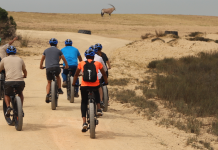
Outside, hiking, biking and running trails thread through the reserve. The landscape itself becomes part of the lesson: resilient, understated and shaped by survival.
!Khwa ttu’s greatest achievement lies in its honesty. It doesn’t romanticise the San. Nor does it reduce them to victims. Instead, it presents something far more powerful: endurance, intelligence and a profound relationship with the natural world.
!Khwa ttu San Culture & Education Centre, off the R27. Cost: R275; duration: 45 min; Hrs: 9-17h00; ph 022 4922998.